
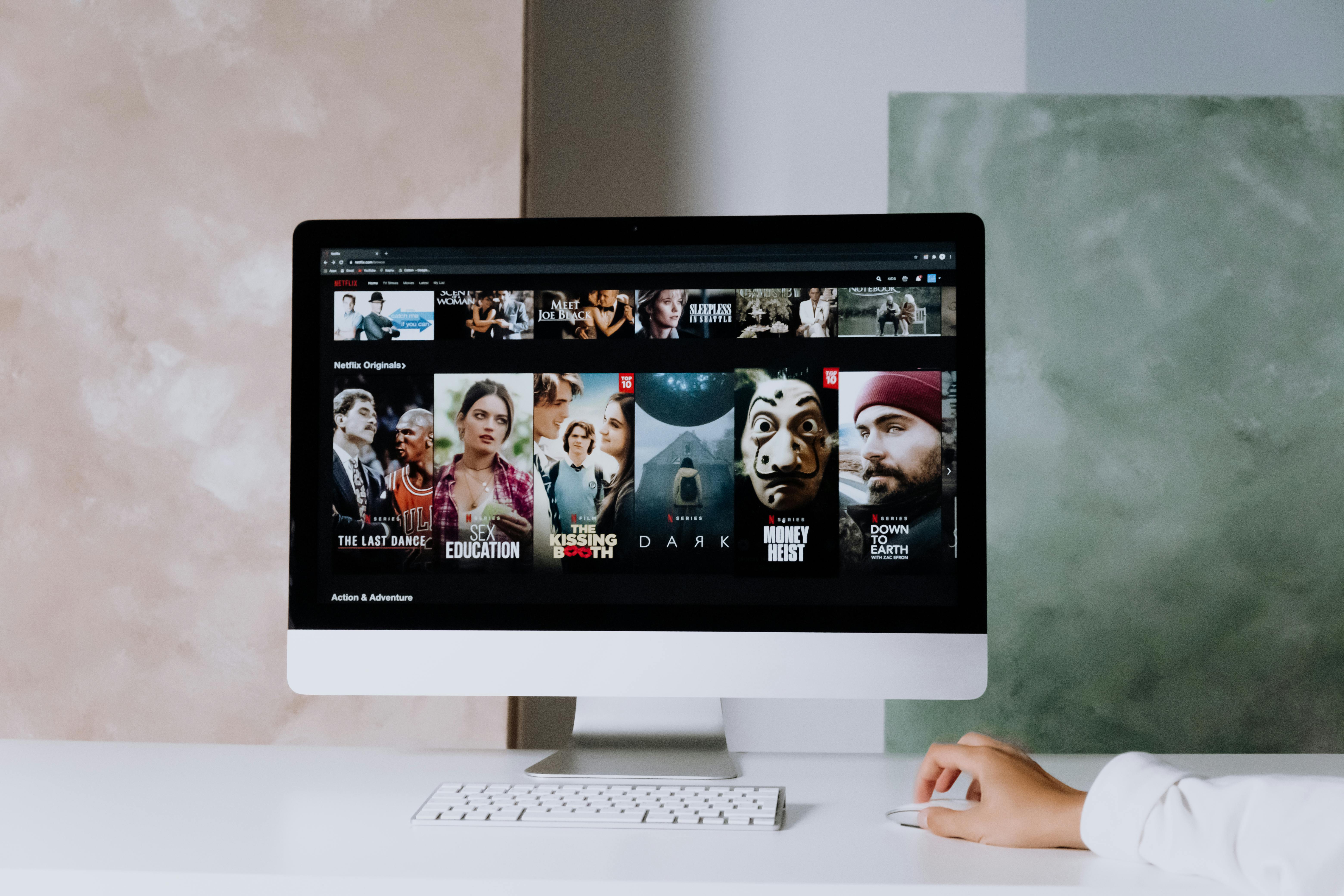
Feeling overwhelmed by endless streaming subscriptions and rising monthly costs? In 2026, the streaming landscape is more fragmented and expensive than ever. Discover expert strategies, cutting-edge AI tools, and the best services to consolidate your entertainment, optimize your spending, and reclaim control over your digital content experience. Learn how to identify money-generating keywords, compare top streaming bundles, and find premium content deals tailored for today's savvy consumer.
Introduction to the Topic
Remember the good old days of cord-cutting? A simpler time when ditching cable meant one or two streaming subscriptions and a sigh of relief. Fast forward to 2026, and that sigh has turned into a groan. The streaming landscape has evolved into a sprawling, complex, and often frustrating 'bundle-verse,' where consumers are juggling multiple services, facing subscription fatigue, and watching their monthly entertainment budget balloon. From exclusive content silos to ever-increasing price hikes, the promise of affordable, on-demand entertainment now feels like a distant memory for many. But what if there was a way to navigate this labyrinth? What if you could optimize your streaming choices, maximize your viewing pleasure, and significantly cut down on unnecessary expenses? This article isn't just about identifying the problem; it's about empowering you with the strategies and insights to reclaim control, streamline your subscriptions, and find the true value in your digital entertainment in 2026.
Backgrounds & Facts
The journey from a few dominant players to the current fragmented market has been swift and relentless. In 2020, the average US household subscribed to 3-4 streaming services. By 2026, that number has surged to an average of 7.2 services, with some households reporting double-digit subscriptions. This proliferation is driven by content exclusivity – every major studio, network, and even niche creator wants a piece of the direct-to-consumer pie, creating a never-ending cycle of 'must-have' platforms for specific shows or movies. Data from industry analytics firm 'StreamMetrics 2026 Report' indicates that the average household now spends upwards of $85 per month on streaming subscriptions, often unknowingly duplicating content or paying for services they barely use. This hidden cost is fueling a new wave of consumer frustration, leading to what experts are calling 'subscription anxiety.'
Adding to the complexity is the rise of FAST (Free Ad-Supported Streaming TV) services. While a welcome relief for budget-conscious viewers, these platforms often come with heavy ad loads and a less curated experience, making the decision between 'free with ads' and 'premium ad-free' even more complicated. Meanwhile, AI continues to reshape the content landscape, not just in recommendations but in content generation, dynamic ad insertion, and even interactive storytelling. This technological advancement promises hyper-personalization but also raises questions about data privacy and the potential for even more tailored – and therefore, harder to escape – subscription offers. The 'Streaming Wars' of the late 2010s have matured into the 'Streaming Consolidation Conundrum' of 2026, where the battle isn't just for content, but for your attention and, crucially, your wallet.
Expert Opinion / Analysis
“We’re at a critical inflection point,” states Dr. Evelyn Reed, a leading media economist and author of 'The Digital Divide: Who Owns Entertainment in 2030.' “Consumers are no longer passively accepting the 'more is better' mantra. They’re demanding value, flexibility, and transparency. The companies that fail to adapt to this shift towards consumer empowerment will struggle.” Dr. Reed highlights that while content remains king, accessibility and affordability are the new queen and knight. “The industry is responding, albeit slowly, with two main strategies: aggressive bundling from telcos and tech giants, and the emergence of sophisticated third-party aggregators.”
From a technological standpoint, Elias Vance, CEO of 'OptiStream AI,' a company specializing in subscription management, points to the role of artificial intelligence. “AI isn't just about recommending your next binge; it’s becoming your personal streaming CFO. Advanced algorithms can now analyze your viewing habits across platforms, identify redundant subscriptions, predict content migration, and even suggest optimal times to subscribe and cancel services based on content release schedules. This level of granular control was unimaginable even two years ago.” Vance predicts that by late 2026, over 40% of streaming households will utilize some form of AI-powered subscription optimization tool. “The goal is to move from reactive cancellations to proactive, intelligent management, saving users hundreds annually.” The consensus among experts is clear: the era of blind subscriptions is over. The future belongs to the informed, strategic streamer.
💰 Best Options in Comparison (VERY IMPORTANT)
Navigating the 2026 streaming landscape requires a strategic approach. Here are the top options and strategies to consider, designed to maximize your value and minimize your spending:
-
1. The Aggregator Advantage: StreamVault Pro
Forget logging into five different apps. Services like the hypothetical (but highly anticipated) StreamVault Pro are emerging as the ultimate solution for managing your digital entertainment. These platforms act as a central hub, allowing you to link your existing subscriptions (Netflix, Max, Disney+, Hulu, Prime Video, etc.) and view all your content in one unified interface. Beyond convenience, StreamVault Pro offers AI-driven analytics that identify overlapping content, suggest optimal subscription cycles (e.g., subscribing to Paramount+ only when a new Star Trek season drops, then pausing), and even alert you to upcoming price changes or free trials. Some premium tiers offer exclusive bundle deals directly through their platform, potentially saving you 15-25% compared to subscribing individually. It's the smart consumer's answer to subscription fatigue, offering a true 'cord-cutting 2.0' experience.
-
2. The A La Carte Content Shopper Strategy
For the ultra-savvy, a purely a la carte approach is gaining traction. Instead of committing to monthly subscriptions, this strategy focuses on purchasing or renting individual movies and shows from platforms like Apple TV+, Prime Video, YouTube, or Google Play. This is ideal for those who watch only a handful of specific titles per month or prefer to own digital copies. While the per-item cost might seem higher initially, for light viewers, it can drastically reduce overall spending. The key is strict discipline and checking for free availability on FAST services before buying. Look out for platforms offering 'season passes' or 'franchise bundles' for better value on recurring content.
-
3. The Hybrid FAST/Premium Mix (The Smart Saver's Bundle)
This strategy combines the best of both worlds: leveraging free ad-supported streaming (FAST) services for casual viewing while maintaining a select 1-2 premium, ad-free subscriptions for must-have content. Platforms like Pluto TV, Tubi, and The Roku Channel offer thousands of hours of movies and TV shows at no cost (beyond enduring ads). Complement these with a single premium service like Netflix (for its originals) or Max (for its cinematic library). Many services, such as Peacock and Paramount+, now offer robust hybrid models, with a free tier and an upgraded ad-free option. This allows for significant cost savings while still accessing high-quality, exclusive content.
-
4. The Niche Enthusiast's Pick: Specialized Platforms
For those with very specific interests, specialized streaming services offer curated content that mainstream platforms often overlook. Think Crunchyroll for anime, Mubi for arthouse cinema, Shudder for horror, or CuriosityStream for documentaries. While these are often smaller platforms, their dedicated libraries provide unparalleled depth for enthusiasts. The trick here is to rotate these subscriptions. Instead of subscribing year-round, sign up for a month or two, binge the content you want, and then cancel. Many offer annual discounts, making them even more appealing for dedicated fans. This approach ensures you're paying only for what you truly value.
To help you decide, here's a detailed comparison:
| Strategy/Service | Key Features | Pros | Cons | Best For | Estimated Monthly Cost (2026 Avg.) |
|---|---|---|---|---|---|
| StreamVault Pro (Aggregator) | Unified content library, AI optimization, subscription management, potential bundle deals. | Ultimate convenience, significant cost savings, AI-driven insights, reduces subscription fatigue. | Requires linking accounts, initial learning curve, additional (small) aggregator fee. | Heavy streamers, those with 5+ subscriptions, busy individuals seeking efficiency. | ~$5-10 (aggregator fee) + optimized subscription costs (potential 15-25% savings). |
| A La Carte Content Shopper | Pay-per-movie/show, digital ownership options, no recurring fees. | Complete control over spending, no unused subscriptions, ideal for light viewers. | Higher per-item cost for frequent viewers, no 'discovery' browsing, requires discipline. | Occasional viewers, those who re-watch content, specific film/show enthusiasts. | ~$10-30 (depending on purchases). |
| Hybrid FAST/Premium Mix | Combines free ad-supported content with 1-2 premium subscriptions. | Significant cost savings, access to diverse content (free & premium), good balance. | Ad interruptions on FAST services, limited premium content selection. | Budget-conscious viewers, casual streamers, those who don't mind ads. | ~$15-30 (for 1-2 premium services + free FAST). |
| Niche Enthusiast's Pick | Highly curated content for specific interests (anime, indie, horror, docs). | Deep dives into specific genres, often more affordable, fosters community. | Limited general appeal, requires rotation strategy to be cost-effective. | Dedicated fans of specific genres, those seeking unique content. | ~$5-15 (per service, assuming rotation). |
Outlook & Trends
The streaming world of 2026 is merely a stepping stone to even more dynamic and personalized experiences. Expect AI to become even more pervasive, not just in recommendations but in dynamic content generation, where storylines might subtly adapt based on viewer preferences, or even in creating personalized ad experiences that feel less intrusive and more relevant. Spatial computing and VR/AR platforms are slowly but surely entering the mainstream, promising immersive viewing environments that could redefine what a 'movie night' means. Imagine watching a concert with friends in a virtual stadium or experiencing a documentary from within the historical event itself.
Furthermore, the creator economy will continue to decentralize content creation and distribution. We'll see more direct-to-consumer models from independent artists and niche communities, potentially leveraging blockchain technology for transparent royalties and audience ownership. The line between gaming, social media, and traditional streaming will blur further, with interactive elements becoming standard across many platforms. Live events, from sports to concerts and even educational seminars, will see enhanced streaming capabilities, offering multi-angle views, real-time statistics, and integrated social features. The sustainability of current ad-tier models will also be under scrutiny, potentially leading to more innovative revenue streams that don't solely rely on increasing subscription fees or ad loads. The future of streaming is about choice, immersion, and ultimately, empowering the individual viewer like never before.
Conclusion
The streaming landscape in 2026 might seem daunting, a vast ocean of content and subscriptions threatening to drown your budget. However, with the right strategies and tools, it's entirely possible to navigate these waters successfully. The era of passive consumption is over; the future belongs to the proactive, informed streamer. By embracing intelligent aggregation, strategic a la carte purchases, smart hybrid models, or focused niche selections, you can tailor your entertainment experience to your exact needs and budget. Leverage AI-powered optimization tools, compare services diligently, and don't be afraid to rotate subscriptions to unlock maximum value. Your entertainment dollar is powerful – wield it wisely. The great streamline isn't just about saving money; it’s about reclaiming control, enhancing your viewing experience, and ensuring that your digital entertainment truly serves you, not the other way around. Start optimizing today, and transform your streaming fatigue into streaming freedom.