
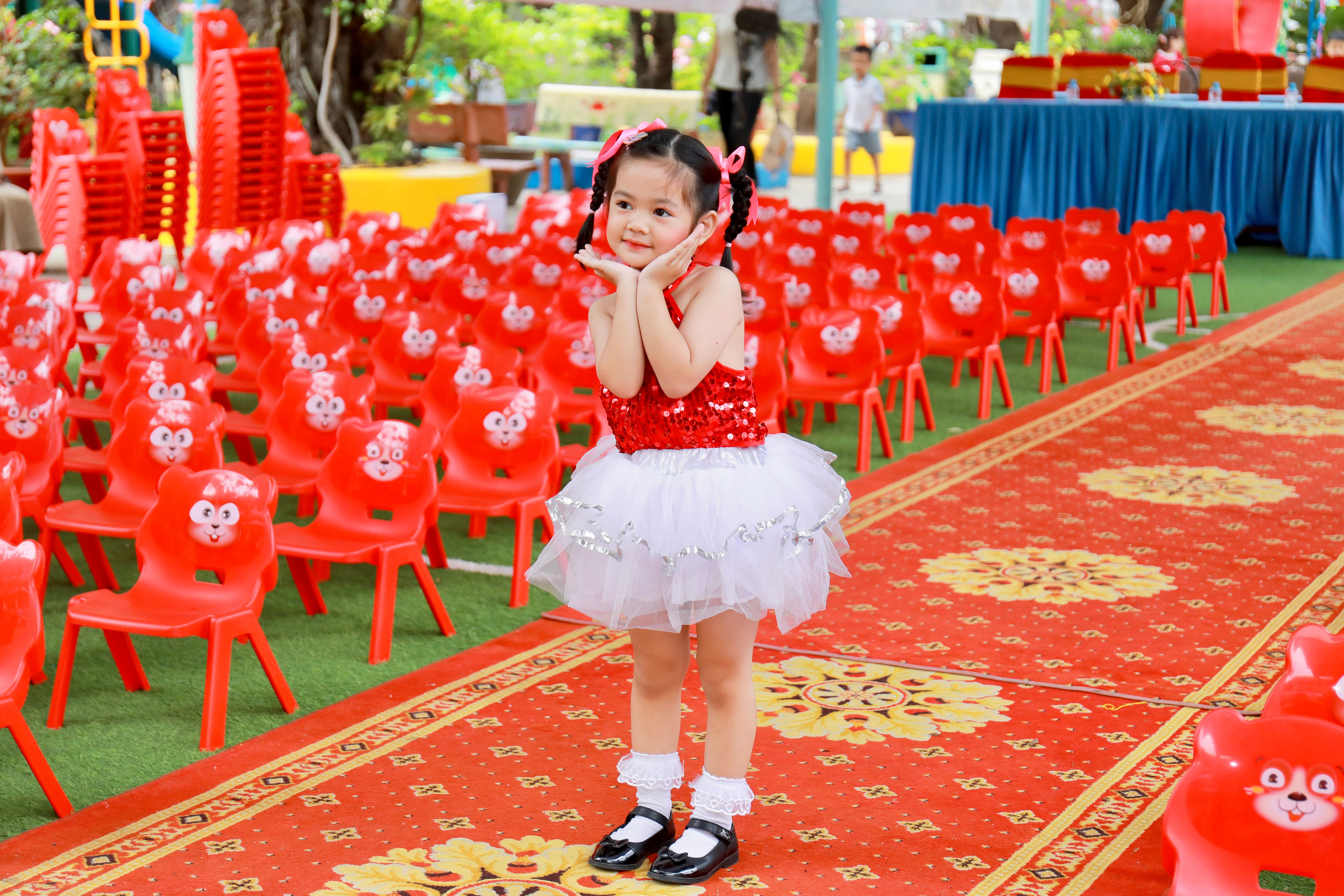
A red carpet looks like a crowd and functions like a conveyor. Positions, timing and order are assigned in advance and enforced by staff throughout the event.
The carpet is divided into zones
An arrivals line is split into segments: a photographers' pen, a broadcast interview stretch, a print and digital section, and a fan area where one exists.
Outlets apply for credentials weeks ahead and are assigned fixed positions. A position determines whether an outlet gets a conversation or a passing wave.
The best positions go to broadcasters with the largest reach and to partners of the studio or event, which is a negotiated arrangement rather than a queue.
Arrival times are staggered deliberately
Publicists coordinate with the event to schedule when their clients arrive, spacing them so that photographers are not shooting two people at once.
Lower-profile arrivals are scheduled early, when the carpet is running and outlets are still filling airtime. The largest names arrive last.
A late arrival compresses everyone behind them, which is why staff move people along audibly once the schedule slips.
Questions are agreed before the microphone appears
Publicists commonly discuss topics with outlets in advance, and some interviews are conditioned on staying within the promotion at hand.
Reporters who breach the understanding may keep the clip and lose future access. The trade is short-term material against long-term relationships.
This is why arrivals interviews are almost uniformly light. The format is designed for brief, safe exchanges under time pressure.
The photography has technical constraints
Photographers work from a fixed pen with lighting set for that spot, which is why the backdrop and framing look identical across outlets.
Subjects pause at marked points because those marks are where the lighting and step-and-repeat banner align correctly.
The banner itself is a sponsorship asset. Its repeating logos exist so that any usable crop of any photograph includes branding.
Timing is set by what happens next
The carpet must close before the screening or ceremony begins, and that hard deadline governs everything upstream.
Staff shorten interview slots as the deadline approaches, which is why later arrivals sometimes pass the entire press line without stopping.
The apparent chaos is a schedule under strain, and the people moving quickly are usually doing so because the clock has already been lost.