
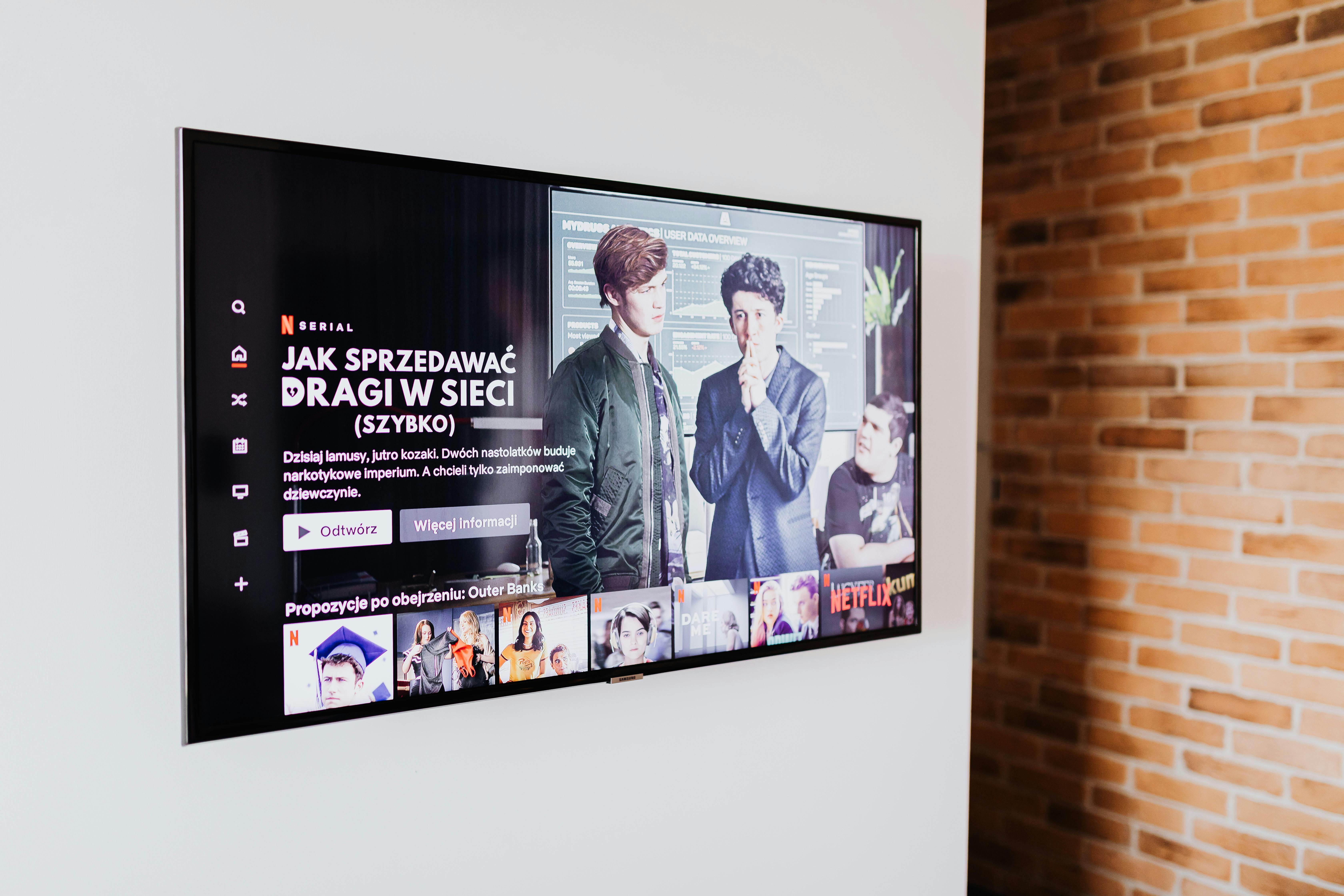
Tired of juggling endless streaming subscriptions and watching your entertainment budget balloon? In 2026, streaming fatigue is real, but smart strategies, from savvy bundling to leveraging ad-supported tiers, can help you unlock maximum content value without breaking the bank. Discover how to cut costs, compare the best streaming deals, and optimize your digital entertainment experience today.
Introduction to the Topic
Welcome to 2026, where the golden age of streaming has matured into a complex, often overwhelming, landscape. Remember the early days of cord-cutting? The promise was simple: cheaper, on-demand entertainment tailored to your tastes. Fast forward to today, and many households find themselves grappling with a new kind of bill shock – 'streaming creep.' With dozens of premium streaming services vying for your attention, each demanding a monthly fee, the average consumer now subscribes to more platforms than ever before. This isn't just about choice; it's about the very real phenomenon of subscription overload and the escalating cost of digital entertainment. Are you paying for content you rarely watch? Are you missing out on incredible shows because they're hidden behind yet another paywall you can't justify? This comprehensive guide from starehere.com is designed to cut through the noise, offering you actionable strategies to navigate the 2026 streaming market. Our goal? To help you stream smarter, save money, and ensure you're getting the absolute best value from your entertainment budget.
Backgrounds & Facts
The streaming revolution began with a handful of pioneers, but by 2026, the market is a veritable explosion of options. Major players like Netflix, Max (formerly HBO Max), Disney+, Hulu, Prime Video, Apple TV+, Peacock, and Paramount+ have been joined by a multitude of niche services catering to every conceivable interest, from anime to independent cinema, sports, and documentaries. This proliferation, while offering unparalleled content libraries, has led to a significant financial burden for consumers. Industry reports indicate that the average U.S. household now spends upwards of $75 per month on streaming subscriptions, a figure that has more than doubled since 2020. This escalating cost negates much of the original savings gained from abandoning traditional cable. Furthermore, exclusive content deals mean that to access all the 'must-watch' series and films, one often needs subscriptions to multiple, sometimes overlapping, services.
In response to this consumer fatigue and the competitive pressure, 2026 has seen a significant shift in pricing models. Ad-supported tiers, once an anomaly, are now standard offerings across almost all major platforms, providing a more budget-friendly entry point. Similarly, strategic bundling – where multiple services are offered together at a discounted rate – has become a key tactic for providers looking to retain subscribers and reduce churn. The battle for your eyeballs (and your wallet) is fierce, and understanding these market dynamics is the first step toward optimizing your streaming experience.
Expert Opinion / Analysis
“The current streaming ecosystem is a paradox of abundance and frustration,” notes Dr. Evelyn Reed, a leading media economist at the Digital Content Institute. “Consumers have never had more choice, yet they’re increasingly stressed by the cost and complexity of managing multiple subscriptions. We’re seeing a natural market correction where value, not just content, is becoming the primary differentiator.”
Indeed, providers are acutely aware of the streaming fatigue. Many are investing heavily in AI-driven personalization to keep users engaged within their platforms, but this doesn't solve the core issue of cost. The strategic response from industry giants in 2026 has been two-fold: consolidation and flexible pricing. We've witnessed mergers and acquisitions aimed at creating more formidable content libraries under single banners, reducing the need for multiple separate subscriptions for specific genre fans. Simultaneously, the widespread adoption of tiered pricing – often with a stark difference between ad-supported, standard, and premium 4K streaming plans – empowers consumers to choose their comfort level for cost versus convenience.
The challenge, according to industry analyst Mark Jensen of Global Streaming Insights, isn't just about saving money, but about discovery. “Even if you subscribe to five services, finding what to watch can be a chore. The rise of sophisticated super-aggregators, whether built into smart TVs or offered by telecom providers, is attempting to solve this, but the ultimate power still lies with the consumer to make informed choices about where their money goes.” Jensen also highlights the growing importance of streaming bundles as a key competitive tool, allowing platforms to capture a larger share of the entertainment budget by offering perceived value.
💰 Best Options in Comparison (VERY IMPORTANT)
Navigating the 2026 streaming landscape doesn't have to be a headache. Here are the top strategies to maximize your content and minimize your costs, targeting users with purchasing intent looking for the best streaming deals and ways to save on streaming.
-
The Savvy Bundling Strategy: Unlocking Discounted Access
Bundles are no longer just for cable. Major streamers now offer compelling packages. The Disney Bundle (Disney+, Hulu, ESPN+) remains a cornerstone, providing a significant discount compared to subscribing to each individually. Max often pairs with Discovery+ for reality TV enthusiasts, and telecom providers are increasingly offering bespoke streaming bundles with their internet or mobile plans. Look for these official partnerships or third-party aggregators that curate services into more affordable packages. This is ideal for households with diverse viewing interests who want broad access without the full price tag.
-
Embracing Ad-Supported Tiers: Premium Content, Budget Price
The biggest game-changer in 2026 for budget-conscious streamers is the widespread availability and improving quality of ad-supported tiers. Netflix, Max, Disney+, Hulu, Peacock, and Paramount+ all offer cheaper plans that include commercials. While ads might seem like a drawback, they are generally less frequent and shorter than traditional TV commercials, and the cost savings can be substantial – often 30-50% off the ad-free price. For many, a few commercial breaks are a small price to pay for access to premium content libraries. This is an excellent option for those who prioritize cost savings and don't mind a brief interruption.
-
The "Rotate & Cycle" Method: Strategic Subscription Swapping
Why pay for every service all year round? The "Rotate & Cycle" method involves subscribing to 1-3 services at a time, watching all the content you're interested in, and then canceling and switching to another service. For example, subscribe to Netflix for a month to binge a new season, then cancel and sign up for Max to catch up on their exclusives. This requires a bit more discipline but offers ultimate flexibility and drastically reduces your monthly expenditure. It's perfect for those who are highly organized and want to experience a wide range of content without the commitment.
-
Leveraging Free Ad-Supported Streaming TV (FAST) Services: The Hidden Gems
Don't overlook the power of completely free streaming services like Pluto TV, Tubi, Freevee, and The Roku Channel. These FAST platforms offer thousands of movies, TV shows, and live channels supported entirely by ads. While they might not have the latest blockbusters or exclusive originals, their libraries are constantly expanding with classic films, beloved TV series, and niche content that can significantly supplement your paid subscriptions. They are an invaluable resource for casual viewing and discovering new favorites without spending a dime.
To help you compare these streaming platforms and strategies, here's a detailed table:
| Strategy | Cost Savings Potential | Content Access | Convenience | Best For... |
|---|---|---|---|---|
| Bundling (e.g., Disney Bundle) | High (15-30% off individual subscriptions) | Broad, curated selection (often 2-3 major services) | Good (single bill, integrated experience) | Families, diverse households, those who want a core set of services. |
| Ad-Supported Tiers | Very High (30-50% off ad-free plans) | Full content library of individual service | Excellent (same content, minor interruptions) | Budget-conscious viewers, anyone who tolerates ads for big savings. |
| Rotate & Cycle Method | Maximum (only pay for 1-2 services at a time) | Access to all services over time, but not concurrently | Moderate (requires tracking, canceling/re-subscribing) | Binge-watchers, highly organized individuals, those seeking ultimate control. |
| Free Ad-Supported TV (FAST) | 100% Free | Vast, often older or niche content, live channels | Excellent (no subscription management) | Anyone looking to supplement paid services, casual viewers, classic content fans. |
Outlook & Trends
Looking ahead to the rest of 2026 and beyond, the streaming landscape will continue to evolve rapidly. We anticipate further consolidation among smaller players, creating fewer, but more powerful, content behemoths. This could lead to even more attractive bundling opportunities as these larger entities seek to dominate market share. The technology behind ad-supported tiers will also become more sophisticated, with increasingly personalized and less intrusive ad experiences, blurring the lines between premium and budget offerings. Expect more experimentation with 'a la carte' channel purchasing within aggregator platforms, allowing users to build truly customized content packages rather than being forced into pre-defined bundles.
Furthermore, the integration of interactive elements, cloud gaming, and even live shopping experiences directly into streaming platforms is on the horizon. The battle for exclusive content will intensify, but the focus will increasingly shift to retaining subscribers through value-added services and flexible pricing structures. The future of streaming is not just about what you watch, but how you watch it, and how much control you have over your entertainment costs.
Conclusion
The era of endless, unchecked streaming subscriptions is over. In 2026, the power is firmly back in the hands of the consumer. By understanding the market, embracing the options available, and applying smart strategies like savvy bundling, leveraging ad-supported tiers, or adopting the "Rotate & Cycle" method, you can significantly reduce your monthly entertainment costs without sacrificing access to your favorite shows and movies. Don't let subscription fatigue drain your wallet. Take control of your digital entertainment budget today, discover the best streaming deals, and truly unlock the value of the streaming revolution. Start optimizing your streaming choices now – your bank account will thank you!