
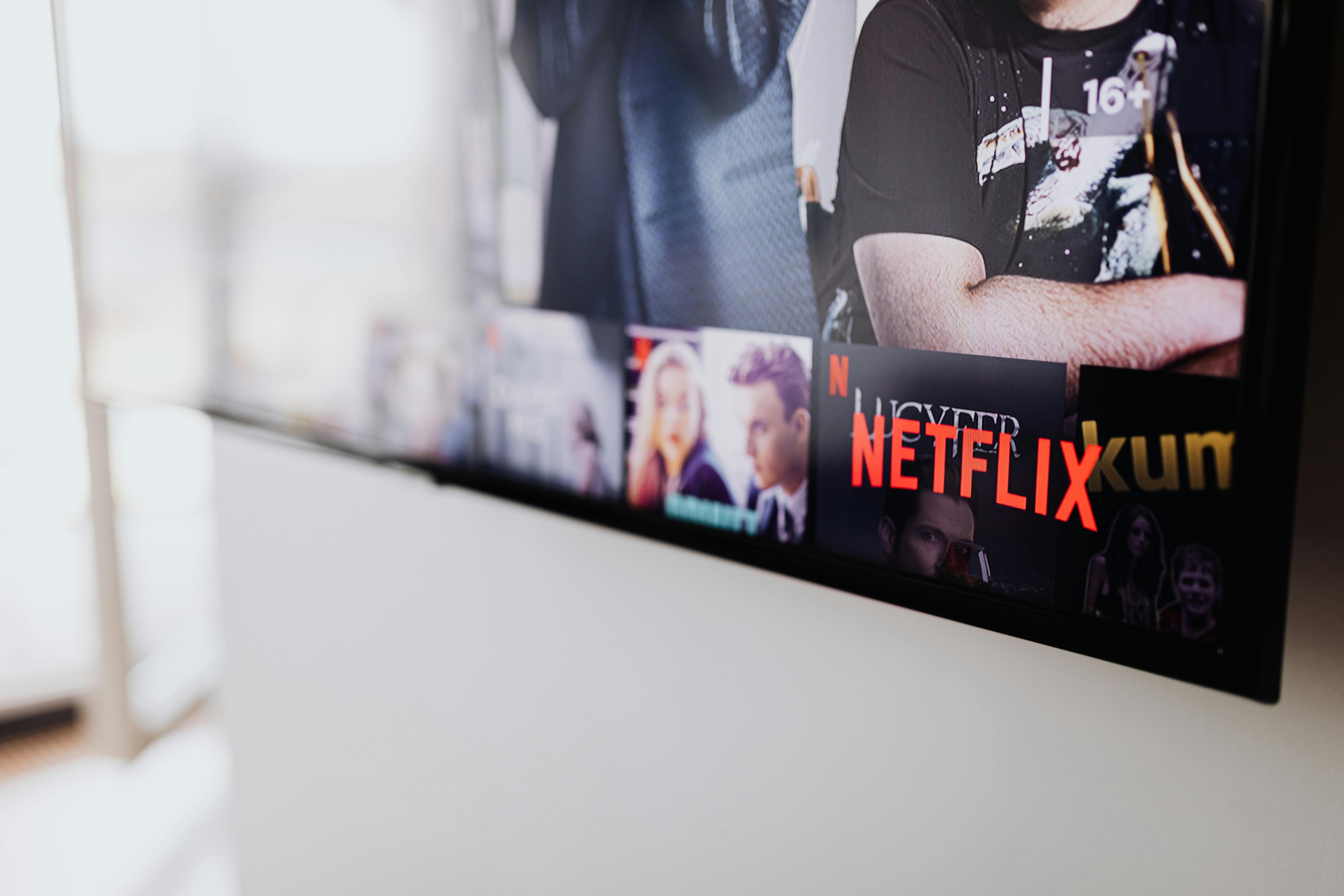
The future of television has arrived in 2026, and it’s no longer just about passive viewing. Dive into the world of immersive TV and interactive series, where you control the narrative, influence outcomes, and experience content like never before. This guide explores the leading streaming services, essential smart TVs, and advanced VR entertainment platforms that are redefining home entertainment. Discover how to upgrade your setup, compare the best options, and unlock truly personalized content. Get ready to transform your living room into a portal to next-generation entertainment!
Introduction to the Topic
Remember when 'binge-watching' was the pinnacle of TV consumption? Fast forward to 2026, and that era feels quaint. The landscape of home entertainment has undergone a seismic shift, ushering in the age of immersive TV and truly interactive series. Viewers are no longer content to simply observe; they demand to participate, to influence, to become part of the story itself. This isn't just about choosing an ending; it's about navigating complex narratives, making moral dilemmas, and even impacting character development in real-time. From branching storylines on your favorite streaming services to fully spatialized experiences on cutting-edge VR entertainment platforms, the lines between viewer and participant have blurred beyond recognition. This revolution is driven by advancements in AI, high-speed connectivity, and increasingly sophisticated home entertainment hardware, making it the most exciting (and potentially overwhelming) trend in media this decade. Prepare to redefine your relationship with the screen – because in 2026, TV doesn't just entertain you, it engages you.
Backgrounds & Facts
The seeds of interactive television were sown decades ago with rudimentary 'choose your own adventure' books and early PC games. However, it wasn't until the late 2010s that the concept truly began to gain mainstream traction. Netflix's 'Black Mirror: Bandersnatch' in 2018 served as a pivotal moment, proving that a high-quality, complex interactive narrative could captivate a global audience. This initial success, though limited in scope, ignited a spark across the industry. Major streaming services recognized the immense potential for viewer engagement and retention in an increasingly competitive market.
By 2026, the technological infrastructure has matured considerably. Widespread adoption of 5G and fiber-optic internet provides the necessary bandwidth for seamless, real-time decision-making and high-fidelity graphics. Advances in rendering engines, AI-driven narrative generation, and sophisticated user interfaces have made the creation of truly dynamic content more accessible to studios. Furthermore, the proliferation of advanced smart TVs with powerful processors, 8K resolution, and integrated AI upscaling capabilities, coupled with increasingly affordable and high-resolution VR headsets, has brought immersive experiences directly into millions of homes. We're seeing content that adapts not just to choices, but to viewing habits, emotional responses (via optional biometric feedback), and even external factors like the time of day or local weather. The market is now a battleground for innovation, with every major player vying to offer the most compelling and unique interactive experiences to secure their share of viewer attention and subscription revenue.
Expert Opinion / Analysis
“The shift to immersive and interactive TV is not just a trend; it’s a fundamental evolution of storytelling,” states Dr. Elara Vance, a leading media futurist and author of 'The Participatory Screen.' “We’ve moved past the novelty phase. In 2026, audiences expect agency. They’ve grown up with gaming, social media, and personalized digital experiences. Passive consumption feels archaic.”
According to Dr. Vance, the impact on content creation is profound. “Writers are now architects of possibility spaces, not just linear narratives. Producers are grappling with exponentially more complex production pipelines, often involving AI to help manage branching paths and dynamic character reactions. This isn't cheap, but the return on engagement – and ultimately, subscriber loyalty – is astronomical.”
The monetization potential is also a key driver. “Interactive experiences naturally lend themselves to deeper dives, premium content tiers, and even integrated commerce,” explains Marcus Thorne, a senior analyst at Digital Media Insights. “Imagine a character wearing a specific outfit you can instantly purchase within the show, or a cooking show where you can download the exact recipe and order ingredients with a click. The purchasing intent is built directly into the viewing experience. This is a goldmine for advertisers and a powerful revenue stream for platforms.”
However, challenges remain. “The biggest hurdle is quality and meaningful choice,” adds Thorne. “Audiences are savvy. They can spot superficial interactivity. The truly successful platforms will be those that offer genuine narrative depth, where choices have visible, impactful consequences, and where the technology fades into the background, leaving only the story.” The consensus among experts is clear: interactive TV is here to stay, and its sophistication will only continue to grow, making it a critical differentiator in the ongoing streaming wars.
💰 Best Options in Comparison (VERY IMPORTANT)
Ready to jump into the interactive revolution? Here’s a breakdown of the leading platforms and essential hardware to elevate your home theater experience in 2026. Choosing the right setup depends on your desired level of immersion and budget.
- Netflix Interactive Originals: Still a pioneer, Netflix continues to invest heavily in interactive films and series. Their library boasts a wide range of genres, from family-friendly adventures to complex thrillers. Best experienced on any smart TV or mobile device. Look for their 'Choose Your Own Adventure' tags.
- Disney+'s 'Pathfinder' Series: Disney+ has embraced interactive storytelling, particularly in its Marvel and Star Wars franchises. These 'Pathfinder' series often integrate with existing lore, allowing viewers to explore alternative timelines or character perspectives. Optimal viewing on newer 8K TVs for stunning detail and seamless interaction.
- Amazon Prime Video 'Experiential' Content: Amazon has pushed boundaries with what they call 'Experiential' shows, often incorporating AR overlays (via compatible smart devices or specialized smart glasses) and even haptic feedback (with compatible soundbars or chairs). Their content leans towards high-concept sci-fi and historical dramas.
- Apple TV+ 'Nexus' Experiences: Apple TV+ focuses on seamless integration across its ecosystem. Their 'Nexus' content often leverages Siri for voice commands within interactive scenes and offers unparalleled visual fidelity on Apple devices and high-end home theater systems.
- VR Entertainment Platforms (Meta Horizon Worlds, SteamVR Cinema, Pico Immersive): For the ultimate immersion, dedicated VR platforms offer fully spatialized, 360-degree interactive narratives. While requiring a VR headset (like the Meta Quest Pro 2 or Pico 5), these experiences are a game-changer, placing you directly within the story.
- Next-Gen Gaming Consoles (PlayStation 6, Xbox Series X2): Don't overlook the cinematic interactive games on the latest consoles. Titles like 'Quantum Break 2' or 'Detroit: Become Human 2' blur the lines between game and TV show, offering unparalleled graphical fidelity and complex moral choices.
To help you choose, here's a comparison table of key interactive entertainment options:
| Platform/Type | Key Features | Content Focus | Required Hardware | Pricing (2026 est.) |
|---|---|---|---|---|
| Netflix Interactive | Branching narratives, multiple endings, 'Choose Your Own Adventure' | Broad genre appeal (kids, thrillers, dramas) | Any smart TV, mobile device, browser | Standard Netflix subscription ($18-25/month) |
| Disney+ 'Pathfinder' | Lore exploration, character-centric choices, alternative timelines | Marvel, Star Wars, Pixar franchises | Smart TV (8K recommended), Disney+ app | Disney+ Premium subscription ($20-28/month) |
| Amazon Prime Video 'Experiential' | AR overlays, haptic feedback integration, real-time choices | Sci-fi, historical dramas, experimental content | Smart TV, compatible AR devices/glasses, haptic soundbar/chair (optional) | Prime Video subscription (part of Amazon Prime $180-220/year) |
| Apple TV+ 'Nexus' | Voice command integration, ecosystem synergy, high fidelity visuals | Premium dramas, artistic narratives | Apple TV 4K (2025 model), compatible smart TV, iOS devices | Apple TV+ subscription ($15-20/month) |
| VR Entertainment Platforms | Full 360-degree immersion, spatial audio, direct interaction | Horror, adventure, educational, social experiences | High-end VR Headset (e.g., Meta Quest Pro 2, Pico 5), powerful PC (for PCVR) | Headset cost ($800-2000), individual content purchases ($10-60) |
| Next-Gen Gaming Consoles | Cinematic graphics, complex decision trees, real-time action | Action-adventure, RPG, narrative-driven games | PlayStation 6 / Xbox Series X2, 4K/8K TV | Console cost ($500-700), game purchases ($70-100) |
Investing in a high-quality smart TV with advanced processing and a premium sound system (like a Dolby Atmos compatible soundbar) will enhance any interactive experience, regardless of the platform. For truly mind-bending immersion, a dedicated VR headset is a must-have upgrade for 2026.
Outlook & Trends
The interactive TV revolution is just getting started. Looking ahead, 2026 is merely a stepping stone to even more profound changes. Expect to see an explosion in AI-driven personalization, where narratives don't just react to your choices but proactively adapt based on your viewing history, emotional responses (if you opt-in for biometric sensors), and even your social media sentiment. Imagine a show that subtly alters character dialogue or plot points to resonate more deeply with your personal preferences.
The integration of advanced haptic feedback will move beyond specialized chairs, becoming standard in next-generation soundbars and even smart clothing, allowing viewers to physically feel rainfall, vibrations from explosions, or the subtle touch of a character. AR experiences will become more sophisticated, allowing interactive elements to seamlessly blend with your physical living room, turning your coffee table into a map or your wall into a dynamic backdrop.
Furthermore, expect the rise of truly collaborative interactive content, where groups of friends or even strangers can collectively make decisions that steer a narrative in real-time. This blend of social media and television will foster new communities around shared storytelling. The metaverse will also play a crucial role, with fully realized virtual worlds offering interactive series that you don't just watch, but inhabit. The future promises a television experience that is not only personalized and immersive but also deeply social and utterly transformative.
Conclusion
The days of passively consuming content are behind us. In 2026, immersive TV and interactive series have fundamentally redefined what it means to watch television. From influencing cinematic narratives on your favorite streaming services to stepping directly into virtual worlds with a VR headset, the power to shape your entertainment experience is now firmly in your hands. This isn't just about choosing an option; it's about deeper engagement, richer storytelling, and a truly personalized journey into the heart of every narrative.
Whether you're upgrading your existing smart TV to a cutting-edge 8K model, investing in a powerful new soundbar, or diving headfirst into the world of VR entertainment, the opportunities to enhance your home theater are boundless. Don't be left behind in the passive past. Explore the options, compare the platforms, and choose the immersive experience that best suits your desires. The future of TV is active, it's exciting, and it's waiting for you to press play – and then decide what happens next.