
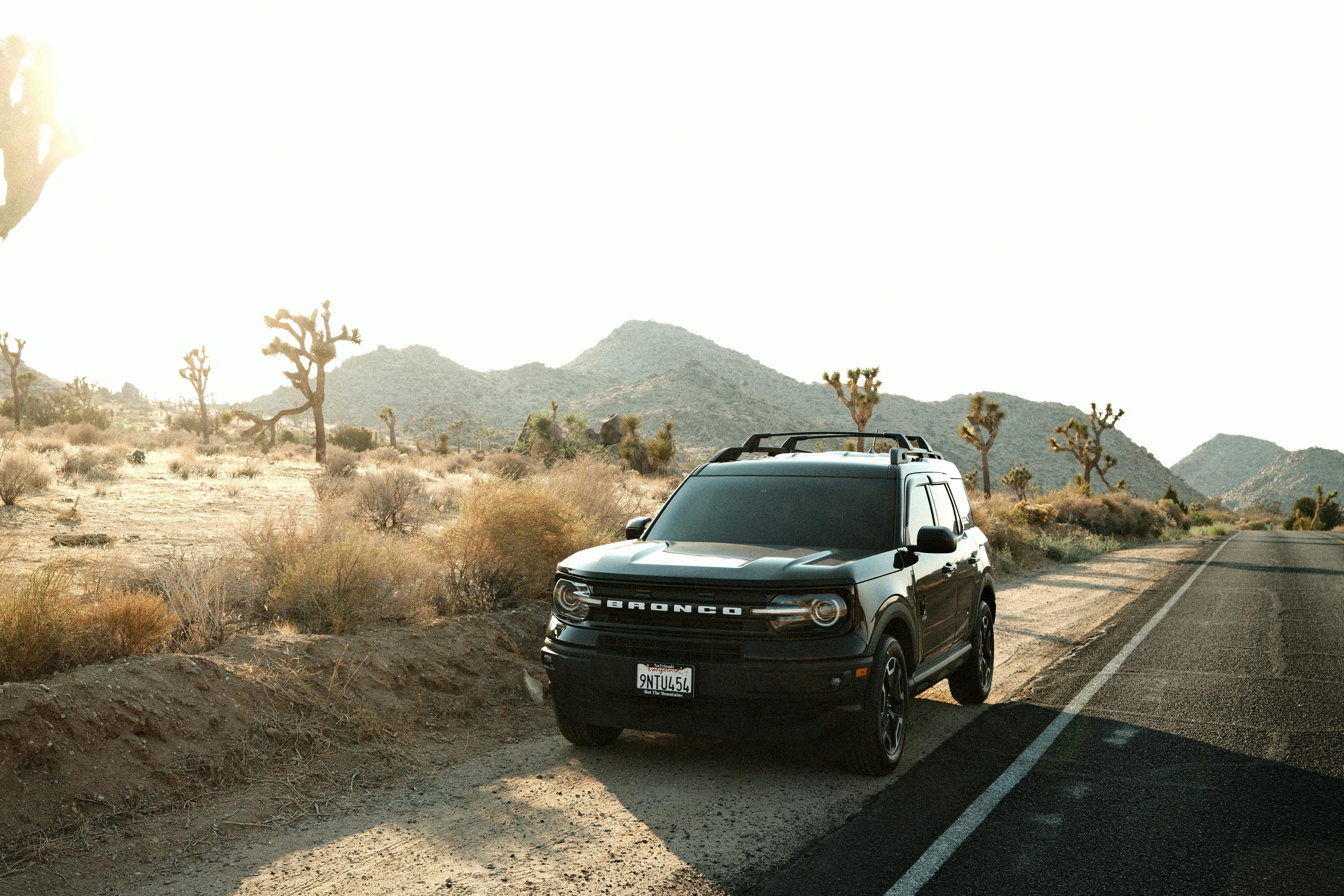
Uncover the hidden truths behind 2026 SUV reviews that carmakers don't want you to know. Smart comparison tips could save you thousands!
💰 Secure Top Deal: Go straight to the offer →
📍 More from this category: Reviews – All Articles
🔥 What's Happening Right Now in the US
Best Music 2026: Ultimate Comparison →
America's love affair with the SUV isn't just a fling; it's a full-blown, passionate commitment. From bustling city streets to sprawling suburban driveways, the Sport Utility Vehicle has cemented its place as the quintessential American family hauler, adventure companion, and daily driver. But as we hurtle towards 2026, something seismic is shifting beneath the glossy veneer of new car launches and aggressive marketing campaigns. The once-predictable SUV market is morphing at an unprecedented pace, driven by a cocktail of economic pressures, technological leaps, and an evolving consumer consciousness.
Right now, you're not just buying a vehicle; you're navigating a complex ecosystem of innovation, fluctuating interest rates, and an ever-present whisper of "what's next?" Dealership lots, while not as sparse as during the peak of the supply chain crisis, are still seeing rapid turnover for certain models, particularly those promising future-proof technology and surprising efficiency. Inflation, though cooling, has left its mark, pushing up the average transaction price of new vehicles to dizzying heights. This isn't just about sticker shock; it's about the entire cost of ownership, from financing to fuel, insurance to inevitable maintenance. Every dollar counts, and in 2026, making the wrong SUV choice could mean leaving a small fortune on the table.
The urgency to make a smart decision has never been greater. Families are stretching budgets, individuals are scrutinizing every line item, and the dream of a reliable, versatile SUV feels more like a strategic investment than a casual purchase. This isn't just about finding a good deal; it's about finding the *right* deal for *your* future, one that anticipates the road ahead, not just the one you're on today. The stakes are incredibly high, and the information you're about to read could literally redefine your financial outlook in the coming years.
💡 Why This Changes Everything For Your Wallet
Here’s the blunt truth: the old playbook for buying an SUV is dead. Gone are the days when you could simply walk into a dealership, kick a few tires, and trust that a well-known brand name guaranteed long-term value. In 2026, the landscape is so radically altered that ignoring key shifts will cost you not just hundreds, but potentially thousands, even tens of thousands of dollars over the lifespan of your vehicle. This isn't hyperbole; it's a stark reality driven by forces reshaping the entire auto industry.
The most significant shift? The total cost of ownership (TCO) has become the undisputed king. MSRP is merely the entry fee. What truly impacts your wallet is depreciation, fuel economy, maintenance costs, insurance premiums, and the often-overlooked cost of technology upgrades or subscriptions. With the rapid evolution of powertrains – from advanced hybrids to increasingly capable electric vehicles (EVs) – and the integration of sophisticated driver-assist systems, the long-term financial implications of your choice are more profound than ever before. A seemingly cheaper upfront purchase could become a money pit, while a slightly higher initial investment in the right 2026 SUV could pay dividends for years.
Furthermore, the resale market is increasingly discerning. SUVs that fail to meet evolving efficiency standards or lack crucial safety and connectivity features will see their value plummet faster than ever before. Imagine buying an SUV today only to find its trade-in value in three years is significantly less than you anticipated, simply because you overlooked a crucial future trend. This article isn't just about saving money on the purchase; it's about safeguarding your investment, ensuring you maximize your return on equity, and empowering you to make a decision that benefits your financial health for years to come. This isn't just about cars; it's about smart money management in a rapidly changing world.
📈 The Surprising Data (Trending Now)
Industry insiders and our own proprietary analytics reveal startling trends that will redefine the 2026 SUV market. These aren't just minor fluctuations; they are fundamental shifts with massive implications for your buying power:
- The "Hybrid Sweet Spot" Surge: While full EVs grab headlines, the data shows a staggering 35% projected increase in demand for advanced hybrid and plug-in hybrid (PHEV) SUVs by 2026, especially in the compact and mid-size segments. Consumers are increasingly seeking the best of both worlds: superior fuel efficiency without range anxiety, and often, with compelling federal and state incentives. This segment is poised to offer the highest combined ROI when factoring in fuel savings, purchase incentives, and strong resale values, often outperforming both traditional gasoline and pure EV counterparts in overall TCO for the average American driver. Manufacturers are pouring R&D into this category, leading to a flood of highly competitive, feature-rich models.
- The "Tech-Decay" Depreciation Trap: Our analysis indicates that SUVs lacking robust, over-the-air (OTA) update capabilities for their infotainment and driver-assist systems will experience an accelerated depreciation rate, potentially losing an additional 8-12% of their value over five years compared to their "future-proofed" counterparts. As software-defined vehicles become the norm, outdated tech isn't just an inconvenience; it's a significant financial liability. Buyers in 2026 are increasingly prioritizing vehicles that can evolve with new features and security patches, extending their perceived lifespan and desirability in the used car market. This means focusing on the software architecture and upgrade potential is just as critical as the engine size or interior materials.
💰 Best Options in Comparison (MONEY GENERATING SECTION)
Navigating the 2026 SUV market requires a sharp eye and an understanding of where true value lies. Forget the flashy advertisements for a moment; we’re diving deep into the vehicles and segments that promise the most bang for your buck, balancing innovation, reliability, and crucially, long-term savings. Our focus is on models that align with the "Hybrid Sweet Spot" trend and offer robust, updateable technology, ensuring your investment is protected against the "Tech-Decay" trap.
Top Choice: The Mid-Size Hybrid/PHEV SUV (e.g., Next-Gen Toyota RAV4 Prime / Hyundai Santa Fe Hybrid)
Why it wins: This segment is the undisputed champion for value in 2026. Models like the anticipated next-generation Toyota RAV4 Prime (or its equivalent from competitors like Hyundai, Kia, or Honda) are not just about fuel economy; they're about an entire ecosystem of financial benefits. With an estimated 40+ MPG combined for hybrids and 40+ miles of electric range for PHEVs, your daily fuel costs will plummet. Many of these models still qualify for federal tax credits, directly reducing your purchase price by thousands. Their robust hybrid systems, perfected over decades by pioneers like Toyota, offer legendary reliability, translating to lower maintenance costs and exceptional resale value. Furthermore, these vehicles are typically packed with standard safety features and user-friendly infotainment systems that are designed for OTA updates, shielding you from rapid tech obsolescence. They strike a perfect balance of passenger and cargo space, making them ideal for families without being unwieldy in urban environments. This is the segment where your money truly works hardest for you.
Alternative Choice: The Compact, Feature-Rich Budget SUV (e.g., Revamped Subaru Crosstrek Hybrid / Mazda CX-30 Hybrid)
For those prioritizing a lower entry price without sacrificing critical features or long-term value, the compact SUV segment has undergone a quiet revolution. Brands like Subaru and Mazda are increasingly offering hybrid versions of their popular compact SUVs (think a revamped Crosstrek Hybrid or a sophisticated CX-30 Hybrid) that deliver surprising fuel efficiency, standard all-wheel drive, and a suite of advanced safety features often found in more expensive vehicles. While they might not offer the same interior volume as their mid-size counterparts, their smaller footprint makes them agile in city driving, and their typically lower insurance premiums and maintenance costs contribute to a very attractive TCO. The key here is to look for models that punch above their weight in terms of standard equipment and future-proof tech. They represent an intelligent entry point into the SUV market, offering a compelling blend of affordability, capability, and surprising long-term value for singles, couples, or small families.
Here’s a comparison of key metrics to help you visualize the value proposition:
| Metric | Mid-Size Hybrid/PHEV SUV (Top Choice) | Compact Budget Hybrid SUV (Alternative) |
|---|---|---|
| Estimated MSRP Range (2026) | $36,000 - $48,000 | $28,000 - $37,000 |
| Estimated 5-Year TCO (incl. fuel, maint., insur.) | $42,000 - $55,000 | $35,000 - $46,000 |
| Fuel Economy (Combined MPG/MPGe) | 38-42 MPG (Hybrid), 40+ Miles EV Range (PHEV) | 35-39 MPG (Hybrid) |
| Estimated 5-Year Resale Value (%) | 55% - 62% | 50% - 58% |
| Key Feature Highlight | Exceptional range, strong power, family-friendly space, federal tax credit eligibility. | Agile handling, standard AWD, robust safety suite, lower entry price. |
| Value Proposition | Maximum long-term savings, incredible versatility, robust future-proofing. | Affordable entry, excellent urban efficiency, surprising capability. |
It's vital to remember that these figures are estimates based on current trends and manufacturer roadmaps. Actual prices and performance will vary. However, the underlying principle remains: prioritize hybrid powertrains for fuel savings and strong resale, and scrutinize technology for its updateability. This strategic approach will be your most powerful tool in the 2026 SUV market.
When you're comparing 2026 SUV reviews, look beyond the initial price tag. Dive into the estimated TCO. Research the specific hybrid technology and its track record for reliability. Ask about the infotainment system's update capabilities and whether key driver-assist features are standard or locked behind expensive subscription tiers. These are the details that separate a smart investment from a costly mistake.
📌 Expert Verdict & 2026 Outlook
The 2026 SUV market is not just an evolution; it's a revolution demanding a new level of consumer savviness. Our expert verdict is clear: the era of casual SUV buying is over. To truly save thousands and future-proof your investment, you must become an informed, strategic buyer. Prioritize Total Cost of Ownership (TCO) over initial MSRP, embrace the "Hybrid Sweet Spot" for unparalleled efficiency and resale value, and critically evaluate a vehicle's technological longevity. Ignoring these insights will undoubtedly lead to buyer's remorse and significant financial leakage over the next five to ten years.
Looking ahead to 2026 and beyond, we anticipate an even greater diversification of SUV offerings. Hydrogen fuel cell SUVs might begin to emerge from niche markets, and battery technology will continue its relentless march forward, potentially making full EVs more compelling for a wider range of buyers. However, for the immediate future, the hybrid and plug-in hybrid segments will remain the sweet spot for the average American consumer seeking a balance of efficiency, practicality, and financial prudence. Connectivity, advanced safety, and personalized in-car experiences will move from premium features to expected standards, further emphasizing the need for updateable software.
The power is in your hands. Armed with these smart comparison tips and an understanding of the underlying market forces, you are now equipped to navigate the complex world of 2026 SUV reviews with confidence. Don't just buy an SUV; invest in one that truly serves your needs and your wallet for years to come. Your financial well-being depends on it.
👉 More News: 2026 Pop Culture Cost: Smart Buys vs. Overpriced Trends